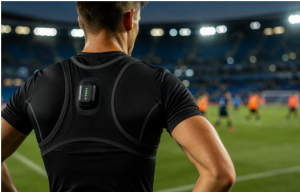
Watch a professional football training session, and you may notice a small device under each player’s shirt. It is often part of a GPS tracking system. These devices collect information while athletes train or compete. They can record distance, speed, movement, and changes in intensity.
Speed Tells Another Part of the Story
Two players can cover the same distance in very different ways. One might move at a steady pace for most of the session. Another spends more time walking but completes several fast sprints.
Looking only at total distance would make those performances appear similar. Speed data shows the difference.
Sprint Numbers Can Be Useful
Coaches may look at things such as:
- Top speed
- Number of sprints
- Sprint distance
- Time spent at high speed
- Repeated fast runs
These details are especially useful in sports where players regularly switch between slow and fast movement.
A winger in football, for example, may need to make several quick runs down the side of the pitch. A central defender has a different job and may produce different numbers.
Position Changes: What Good Data Looks Like
There is no perfect GPS result for every athlete. A goalkeeper should not be compared directly with a midfielder. Even two outfield players can have very different movement needs.
Think about a striker and a full-back. The striker may make short, sharp runs behind defenders. Meanwhile, the full-back could travel up and down the pitch throughout the game.
Neither player is automatically working harder. Their jobs are simply different. This is why coaches need context before judging the numbers.
Training Loads Become Easier to Measure
How hard was today’s training session? In the past, the answer often depended on what the coach saw and how the players felt. Those things still matter. GPS data simply adds another source of information.
If a session includes many sprints and a lot of movement, the numbers will show it. Coaches can compare that workload with previous sessions.
This helps them plan the week. A demanding training day may be followed by something lighter, especially when an important match is close.
Data Can Help Spot Changes in Workload
A sudden increase in physical work can be important. Suppose a player normally covers a certain amount of high-speed distance each week. After returning from a break, that number suddenly doubles.
The player may feel fine, but the jump in workload is still worth noticing. Coaches and performance staff can use this information when deciding how much training someone should do.
It is not a simple injury prediction tool. GPS cannot tell a coach that a player will definitely get hurt. Instead, it helps staff see how much physical work the athlete has been doing.
Returning From Injury Requires Patience
A player coming back from injury may feel ready before the body is prepared for a full match. This is where movement data can become useful for people betting at platforms like 20bet.com live casino.
Rather than sending the athlete straight back into normal training, staff can increase the workload step by step.
Progress Can Be Compared With Normal Levels
The process might look something like this:
- Light running
- Faster running
- Short sprint work
- Partial team training
- Full training
- Match preparation
GPS information allows staff to compare each stage with what the player normally does.
Small Changes Can Become Easier to Notice
One poor performance does not always mean much. Patterns are more interesting. A player might slowly complete fewer high-speed runs across several matches. Another may be covering more distance than usual because the team’s tactics have changed.
These shifts can be difficult to notice from memory alone. Data provides a record. Coaches can go back several weeks and compare sessions instead of relying on what they remember seeing.
That does not mean every small change is important. Sometimes numbers move for perfectly normal reasons.
Substitutes Need Attention Too
A player who sits on the bench for 90 minutes has had a very different day from someone who played the full match. That matters when planning the next training session. The starting players may need recovery work. Substitutes might require a harder session because they completed much less physical activity.
GPS Does Not Explain Why Something Happened
Numbers have limits. Suppose a footballer covers less distance than usual. Was the player tired? Did the tactics change? Did the opposing team control possession? Was the match played at a slower pace?
GPS cannot answer those questions alone. This is why movement data works best when combined with video, coaching observations, medical information, and conversations with the athlete. A number tells you what happened. Understanding why often requires more work.
Different Sports Use Movement Data Differently
Football is an obvious example, but GPS tracking is useful in many outdoor sports. Rugby teams can examine high-speed running and physical workloads. Hockey and field sports may track movement patterns across training sessions.
Individual athletes can benefit too. A runner or cyclist may use location and speed information to compare training sessions over the same route. Each sport asks different questions, so the useful measurements change as well.