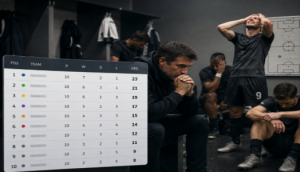
A league table can look very clean. Points, wins, draws, losses, goals, and position all sit in neat rows. It feels honest because the numbers are right there. But anyone who watches sport closely knows the table can miss the mood inside a team.
A club may sit high and still feel tired, tense, or lucky. Another team may sit low and still be playing with more belief than the table shows. That is why match analysis needs more than a quick look at position. The table tells part of the story, but it does not always tell how the team feels before kickoff.
A High Place Can Feel Fragile
Some teams sit near the top because they started well months ago. They may still look strong on paper, but their recent games can say something else. Maybe they are winning by narrow scores. Maybe their best striker is missing chances. Maybe the defence keeps giving away cheap chances, but the goalkeeper keeps saving them.
That kind of team can look safe until the match begins. Fans may trust the league position and expect control, yet the play can feel nervous from the first whistle. A high place in the table does not always mean a calm dressing room.
This matters for predictions because sport has memory and mood. A team that keeps escaping trouble may soon get punished. A team that looks fine in the standings may still be one bad half away from real pressure.
Form Lives Between the Lines
Form is not only about the last five results. It is also about how those results happened. A win with two lucky deflections does not feel the same as a win built on strong passing and clear chances. A loss after a red card does not tell the same story as a loss where the team looked flat for ninety minutes.
Good match reading asks better questions. Did the team create chances? Did they defend well? Did they look tired late in the game? Did the coach change the shape because things were going wrong? These small signs can show the real team mood.
A bettor who only follows the table may miss those signs. A careful fan looks at the result, then looks behind it. That is where better thinking starts.
Odds Need More Than the Table
Betting odds often react to league position, team name, and recent results, but those are not enough on their own. A person checking 22bet.com before a match may see one team priced as the stronger side, then look closer and notice that the same team has been slow, tired, or weak away from home.
That is why patience helps. The table may say one thing, but team mood can say another. Injuries, travel, weather, pressure, and fixture load can all change the feel of a match.
Small stakes keep this kind of betting close to sustainable entertainment. A person can study the game, enjoy the opinion, and still avoid turning one match into too much pressure.
Old Results Can Make Fans Stubborn
Head-to-head records can make people too sure. One team may have beaten another three times before, so fans begin to act like the next match has already been written. But sport does not work that way.
Players change. Coaches change. Injuries change. Confidence changes. A team that lost badly last season may arrive stronger now. A team that used to dominate may no longer have the same speed, hunger, or shape.
Old results can help with context, but they should not run the whole prediction. The present team mood matters more than pride from the past.
Better Predictions Listen to the Room
A strong prediction listens to the table, but it also listens to the room around the team. It notices angry fans, tired players, new confidence, poor finishing, and quiet signs that a result may not repeat.
Good betting spaces should treat players like valued guests. That means plain rules, fair limits, and simple tools that help people pause when a match feels unclear. A prediction should add colour to the game, not take over the whole day.
Extended entertainment value comes from calm choices. It comes from taking time, using small stakes, and knowing that no table can promise what will happen next.
The Table Is Only a Starting Point
Standings tables are useful, but they are not alive. They do not show fear after a bad run. They do not show a tired fullback, a divided crowd, or a striker who has lost belief.
The smarter move is to read the table, then read the team. That is where the real mood hides.