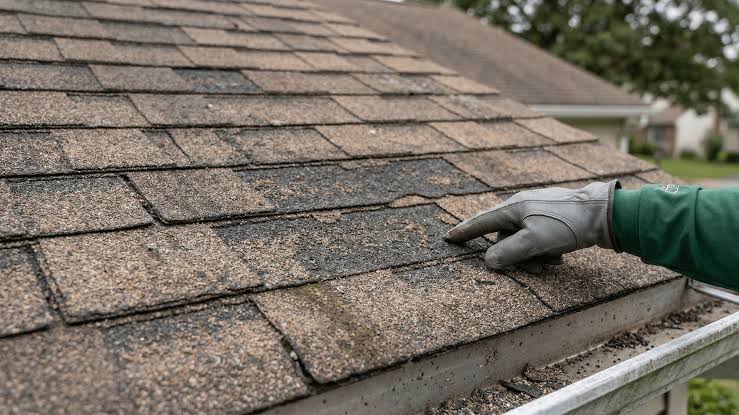
Scattered roofing granules may look like ordinary grit, but their location and amount can reveal how well shingles are holding up. These small mineral particles protect asphalt from sunlight, heat, rain, and daily wear. A roof inspection becomes worthwhile once shedding appears heavy, uneven, or connected to other signs of damage.
Granules Collect in Gutters After Heavy Rain
Fresh asphalt shingles may release a small amount of loose material after installation, so a few granules in the gutters do not always signal trouble. Larger deposits that return after each storm deserve closer attention, especially if the roof is several years old. Heavy rain can wash away particles that have already separated because of heat exposure, aging, foot traffic, or weakened shingle surfaces. Homeowners searching for roofing near me should ask whether an inspection includes the gutters, downspout outlets, and roof slopes above them, since the pattern of accumulation often helps Huntsville roofers identify where the shedding began.
Bald Spots Appear Across Several Shingles
Dark patches on asphalt shingles often show where the protective mineral layer has worn away. One isolated mark may come from a fallen branch or limited abrasion, but bald areas spread across several shingles usually point to broader deterioration. Without granules, the exposed asphalt absorbs more sunlight and becomes hotter, which can speed up cracking, curling, and surface breakdown. A qualified roof repair company compares affected shingles with nearby sections to determine whether spot repairs can restore protection or whether the wear is too widespread for a limited fix.
Roof Color Looks Patchy or Uneven
Changes in roof color do not always come from fading alone. Uneven gray, black, or lighter sections may reflect different levels of granule loss across roof planes that receive varying amounts of sun, wind, and runoff. South- and west-facing slopes often age faster because they endure stronger afternoon heat, while valleys may lose material through concentrated water flow. Anyone looking for roof repair near me should treat sudden color changes as a reason for professional evaluation, particularly when the patchiness appeared after a storm or continues spreading over several months.
Granule Loss Exposes the Asphalt Layer
Visible asphalt means the shingle has lost an important part of its weather barrier. Direct ultraviolet exposure dries the material, reduces flexibility, and makes the surface more likely to split during temperature changes. Rainwater may then settle into tiny cracks, while wind can lift weakened edges and place extra strain on the fasteners below. A roof company inspecting exposed asphalt should also check the underlayment, decking, flashing, and nearby shingles because the visible damage may represent only one part of the roofing system’s decline.
Shingles Feel Brittle or Crack Easily
Brittleness often appears alongside advanced granule loss because both conditions develop as asphalt loses its oils and flexibility. Shingles that crack under light pressure, break around nail lines, or split during careful lifting may no longer tolerate normal roof movement. Contractors avoid unnecessary handling during an inspection since walking on fragile surfaces can create additional damage. Skilled Huntsville roof repair professionals assess texture, edge condition, adhesion, and fastening patterns before deciding whether individual shingles remain repairable or whether replacement would provide a more dependable result.
Granules Shed After Hail or Wind Damage
Hail can strike shingles hard enough to loosen granules, bruise the asphalt, or fracture the reinforcement mat beneath the surface. Wind creates a different pattern by lifting tabs, breaking adhesive seals, and causing neighboring shingles to rub together. Storm-related shedding may appear in gutters, around downspouts, or below specific roof slopes soon after severe weather passes. Local Huntsville roofers examine impact marks, creases, lifted edges, ridge caps, and vulnerable roof corners to separate storm damage from ordinary aging and recommend repairs based on the actual extent of the problem.
Older Shingles Lose Granules at a Faster Rate
Age gradually weakens the bond between the mineral coating and the asphalt below it. Accelerated shedding often means the roof is moving beyond normal surface wear, particularly when granule loss appears with curling, exposed fiberglass, recurring leaks, or cracked flashing. Repair may still make sense if damage remains limited, but repeated failures across several sections can make roof replacement more practical than continued patching. Fleming Roofing evaluates granule loss through detailed residential inspections and can recommend focused roof repair or replacement work according to the roof’s age, material condition, storm history, and remaining ability to protect the home.