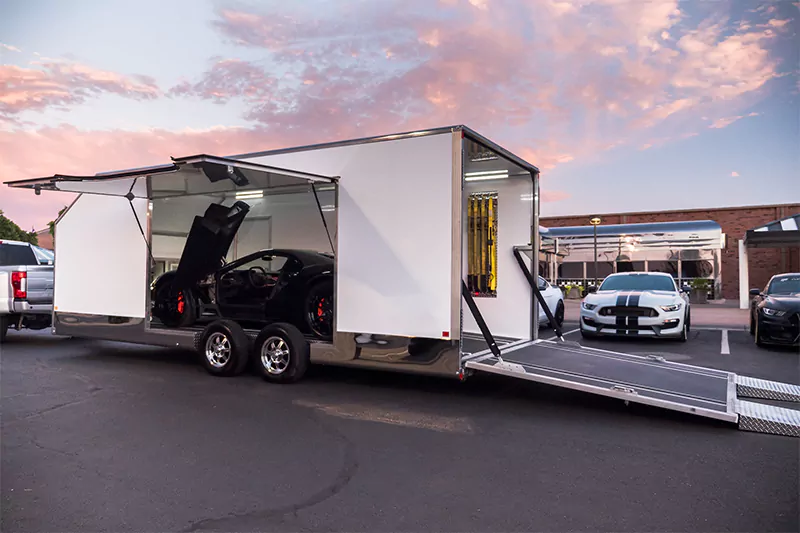
When it comes to transporting vehicles, understanding the differences between types of trailers can save both time and money. A 2 car trailer is a versatile solution for moving multiple vehicles efficiently, whether for personal, commercial, or recreational purposes. Selecting the right trailer depends on several factors including protection, convenience, and long-term durability.
Understanding Open 2 Car Trailers
Open 2 car trailers are among the most commonly used trailers for vehicle transport. They are designed with a flat platform that supports vehicles while leaving them exposed to the elements. One of the main advantages of an open trailer is its affordability compared to enclosed options. They tend to have lower upfront costs and reduced maintenance requirements, making them an attractive choice for those who transport vehicles occasionally. Additionally, open trailers are typically lighter, which can make towing easier and reduce fuel consumption.
Despite their benefits, open 2 car trailers come with trade-offs. Exposure to weather means that vehicles are vulnerable to rain, sun, dust, and road debris. For people transporting classic or high-value vehicles, this can be a significant drawback. Open trailers also offer less security, as the contents are visible and more accessible to potential theft. Users need to weigh convenience against protection when choosing this type of trailer, and consider adding features such as straps and wheel chocks to ensure safe transportation.
Advantages of Enclosed 2 Car Trailers
Enclosed 2 car trailers provide a higher level of protection and security for vehicles during transport. These trailers are fully covered, shielding cars from weather, road debris, and potential vandalism. For owners of luxury, exotic, or vintage vehicles, an enclosed trailer is often the preferred choice because it preserves the vehicle’s condition throughout the journey. The enclosed structure also provides more storage options for tools, spare parts, and other equipment that might be needed during transport.
The increased protection of enclosed trailers comes with higher costs. They are generally more expensive to purchase and maintain, and their weight can affect towing efficiency. Towing an enclosed 2 car trailer often requires a vehicle with higher towing capacity, which can limit options for some users. However, for frequent transporters, auto dealers, or enthusiasts who value their vehicles highly, the benefits often outweigh the additional expense. Choosing the right size and weight capacity is critical to ensure safe handling and optimal performance on the road.
Factors to Consider When Choosing a 2 Car Trailer
Selecting the best 2 car trailer involves more than just choosing between open and enclosed options. Towing capacity is a crucial factor, as it determines whether your vehicle can safely handle the trailer’s weight when fully loaded. Many 2 car trailers are rated for specific gross vehicle weight ratings, so it is essential to match the trailer’s specifications with the towing vehicle. Overloading can lead to accidents, mechanical issues, and excessive wear on both the trailer and towing vehicle.
Another consideration is the frequency and type of use. Occasional use for weekend trips may justify a simpler open trailer, while regular transport of high-value vehicles may necessitate an enclosed model. The trailer’s design, including ramps, tie-down points, and flooring materials, can affect loading efficiency and vehicle safety. Choosing a trailer with reliable braking systems, adequate suspension, and durable construction ensures smoother towing and long-term durability. Additionally, it’s important to consider storage when the trailer is not in use, as larger enclosed trailers require more space.
Maintenance and Safety Tips for 2 Car Trailers
Proper maintenance and attention to safety are essential for any 2 car trailer. Regular inspection of tires, brakes, lights, and coupling systems helps prevent accidents and prolongs the trailer’s lifespan. Lubricating moving parts and checking for rust or structural damage ensures smooth operation. For open trailers, securing vehicles with high-quality straps and chains reduces the risk of shifting or accidents during transport. Enclosed trailers may require ventilation to prevent condensation and protect vehicles from moisture damage.
When towing a 2 car trailer, drivers should adjust their driving habits to account for the additional length and weight. Taking wider turns, allowing for longer stopping distances, and reducing speed on curves and inclines enhances safety. Using proper mirrors or towing cameras improves visibility, especially for enclosed trailers that restrict rearward vision. Investing time in learning the trailer’s handling characteristics can make a significant difference in safe and efficient vehicle transport. Both open and enclosed trailers demand responsibility, but careful attention to maintenance and driving practices ensures a secure and reliable experience.
A 2 car trailer offers flexibility and convenience for transporting vehicles of various types. Whether choosing an open model for cost-effectiveness or an enclosed design for maximum protection, understanding the trailer’s specifications, weight limits, and intended use is essential. Paying attention to safety, maintenance, and proper towing practices ensures that vehicles arrive in optimal condition, making the investment worthwhile. By evaluating individual needs and priorities, vehicle owners can select a 2 car trailer that meets both performance and protection expectations, creating a reliable solution for transport challenges.