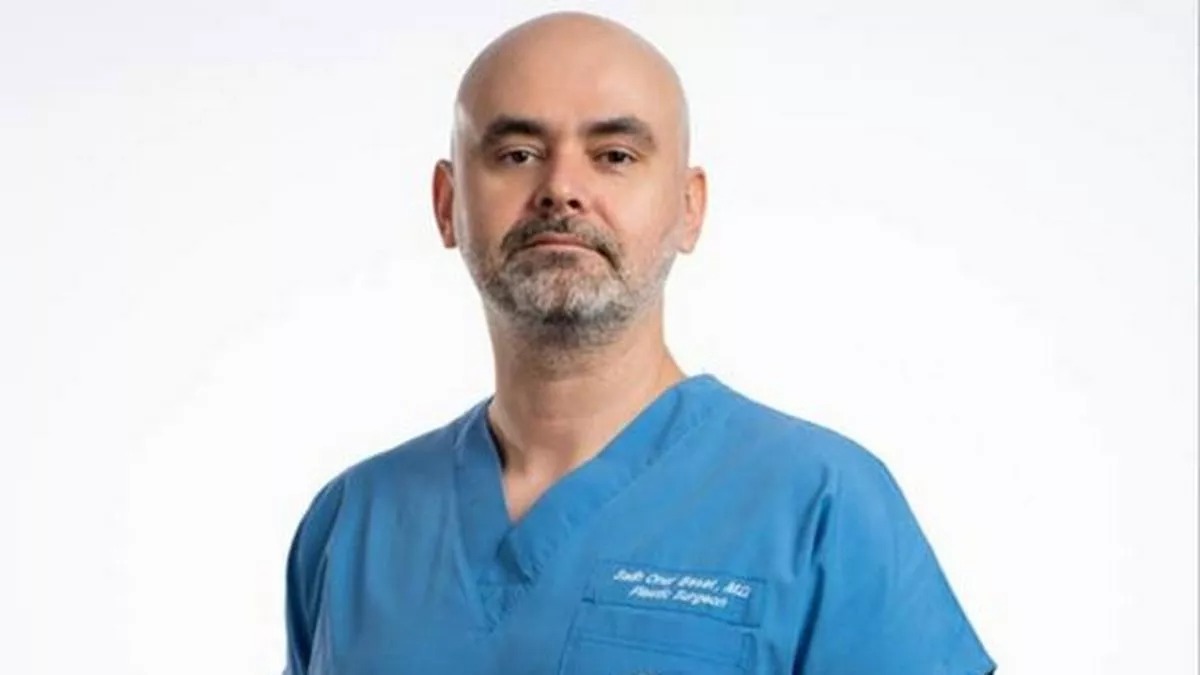
Why Scars Are Part of the Discussion
Every surgical facelift requires incisions, and every incision creates a scar. The relevant question is not whether a scar exists, but where it is placed, how much tension it carries and how it is expected to mature. Dr. Salih Onur Basat discusses scars before surgery so that patients understand the trade-off between access, correction and visibility. Promising an invisible scar would be unrealistic because healing varies from person to person.
Typical Incision Areas
In facelift in Turkey procedures, incisions are commonly planned around natural boundaries near the hairline, the front of the ear and the area behind the ear. The exact design depends on whether the lower face, neck or other connected areas are being treated. Hairline shape, hairstyle, previous scars and ear anatomy influence placement. A very short incision is not automatically better if it prevents the surgeon from addressing the patient’s actual concern.
What Early Healing Looks Like
Fresh scars may appear pink, red, raised, firm or slightly uneven. Swelling can make the tissues around the ears look distorted in the beginning. These changes often improve gradually, but maturation can take many months. Smoking, infection, excessive tension, sun exposure and individual tendencies toward thick scarring can affect the final appearance. Patients should avoid comparing a recent scar with a fully matured result seen online.
Scar Care
Wound cleansing, ointments, dressings and the timing of hair washing should follow personalised instructions. Once the incision is closed, sun protection helps reduce prolonged pigmentation. Silicone products or massage may be recommended for selected patients, but they should not be started automatically. Increasing redness, discharge, opening of the wound, fever or worsening pain should be reported promptly to Dr. Salih Onur Basat and assessed medically.
Balancing the Scar with the Benefit
Patients considering facelift Turkey should evaluate whether the likely improvement in the jawline, lower face or neck justifies the planned incision and recovery. Scar placement should be viewed as part of the overall surgical strategy. Dr. Salih Onur Basat aims to choose an approach that provides adequate correction while respecting the patient’s anatomy and hairline. A clear pre-operative conversation helps patients make an informed decision without minimising either the expected benefit or the reality of healing.
When Scar Changes Need Assessment
Some redness and firmness are expected, but a scar that becomes increasingly painful, hot, swollen or produces discharge should be assessed. Wound separation or darkening skin also requires prompt communication. Later concerns such as persistent thickening or widening can be reviewed after the scar has had time to mature. Dr. Salih Onur Basat evaluates scar behaviour in context because treatment and timing differ according to the stage of healing.